Scouler's Willow
Salix scouleriana
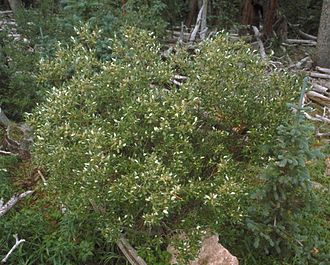
An upland willow of western forests, more drought-tolerant than most, often colonizing after fire. Early catkins feed emerging bees and butterflies; foliage supports abundant caterpillars. Like other willows, the inner bark has served as a famine-food flour, and the sweet catkins have been eaten.
- Family
- Salicaceae
- Type
- tree
- Lifespan
- perennial
- Height
- 50–50 ft
- Spacing
- 8–20 ft apart
- Light
- sun, part shade, shade
- Soil moisture
- dry
- Soil pH
- neutral, alkaline
- Bloom
- February, March, April, May, June
- Bloom colors
- yellow
- Wildlife value
- pollinators, songbirds, butterflies, larval host
- Caterpillar hosts
- ~455 butterfly & moth species
- Landscape uses
- specimen
- Native states
- AK, AZ, CA, CO, ID, MT, NM, NV, OR, SD, UT, WA, WY
Related native plants
More Salix species
- Black Willow (Salix nigra)
- Arroyo Willow (Salix lasiolepis)
- Sandbar Willow (Salix exigua)
- Coastal Plain Willow (Salix caroliniana)
- Pussy Willow (Salix discolor)
- Prairie Willow (Salix humilis)